
How Physical Therapy Can Help
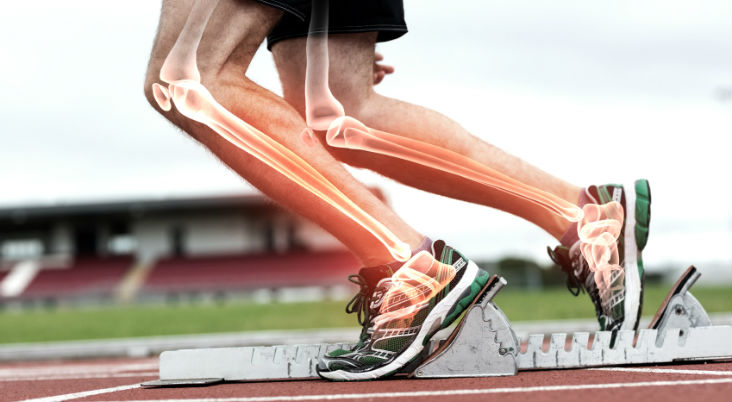
At Premier Care Physical Therapy & Rehabilitation, we take a personalized, hands-on approach to treating sports injuries, helping you recover faster and return to the activities you love—safely and confidently. Our expert therapists utilize:
- Manual Therapy – Hands-on techniques to reduce pain, improve joint mobility, and restore proper movement after injury.
- Therapeutic Exercises – Customized strengthening, flexibility, and stability programs designed to rebuild muscle, protect joints, and enhance performance.
- Sports-Specific Rehabilitation – Targeted drills and movement training tailored to your sport (running, tennis, swimming, etc.) to ensure a safe and effective return to play.
- Injury Prevention & Movement Training – Identifying faulty movement patterns and correcting them to reduce the risk of re-injury.
- Modalities (Heat, Cold, Electrical Stimulation, Ultrasound) – Used to decrease pain, control inflammation, and accelerate tissue healing.
- Balance, Agility & Coordination Training – Improving control and reaction time, especially important after ligament injuries like ACL sprains or ankle instability.
- Kinesiology Taping – Provides support to injured muscles and joints while promoting circulation and recovery.
By addressing the root cause of your injury—not just the symptoms, our physical therapy programs help you recover stronger, move better, and get back to your sport with confidence while reducing the risk of future injuries.
What Happens If Left Untreated?
Ignoring sports injuries can lead to worsening symptoms and long-term complications, including:
- Chronic Pain & Weakness – Minor injuries can turn into lasting problems that are harder to treat.
- Limited Mobility & Performance – Reduced range of motion and strength can affect both athletic ability and daily function.
- Increased Risk of Re-Injury – Returning to activity too soon without proper care can lead to repeat or more severe injuries.
- Delayed Recovery – Healing takes longer without structured rehab, keeping you sidelined longer than necessary.
- Compensatory Injuries – Overloading other muscles and joints to avoid pain can cause secondary issues in the back, hips, or opposite limb.